
April 05 , 2026
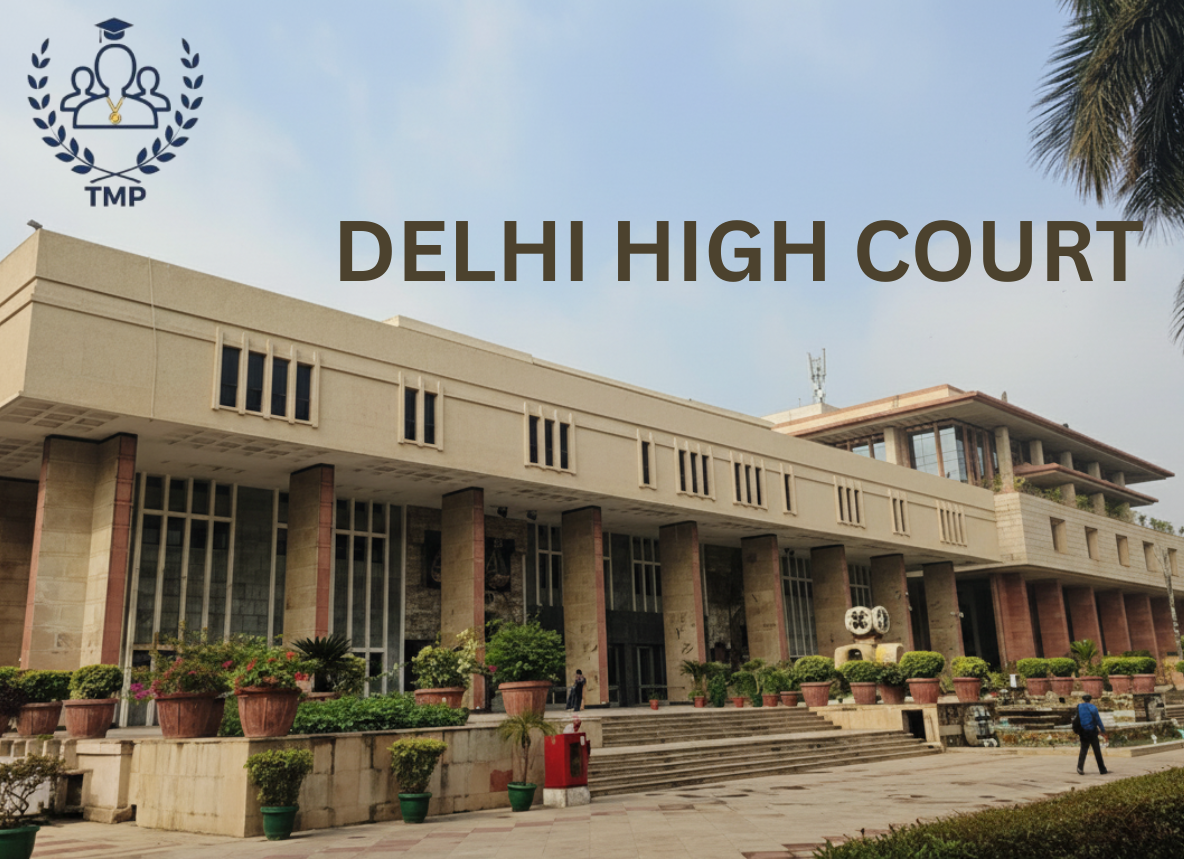
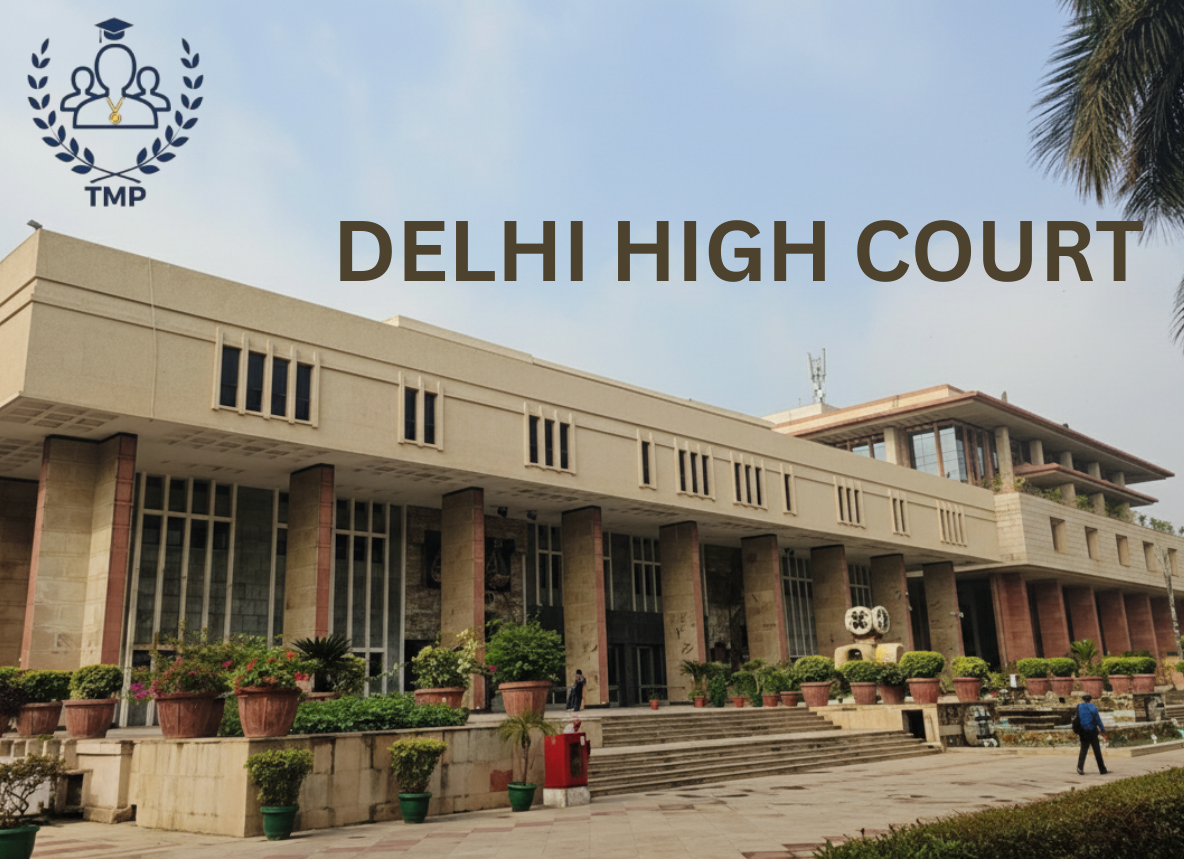
Delhi High Court Sets Aside PBG-Based Damages in ONGC Arbitration, Reaffirms Proof Requirement Under Section 73 Contract Act
FACTS OF THE CASE
The Petitioner, M/s. UEM India Private Limited, was awarded a contract by ONGC Limited on 30 March 2011 for the installation of one Effluent Treatment Plant and three ETP-cum-Water Injection Plants at four sites in Assam, along with maintenance for a period of seven years, for a lump sum consideration of Rs. 119,34,58,347/-. The project was required to be completed within thirty-four months, i.e., by 29 January 2014. Disputes arose during the execution of the contract, leading the Petitioner to invoke arbitration claiming prolongation costs, losses due to breach of contract, losses arising from being placed on a holiday list, and damages resulting from the alleged illegal invocation of the Advance Bank Guarantee (ABG) and Performance Bank Guarantee (PBG).
ONGC, in response, raised counter claims exceeding Rs. 330 crores under various heads, including third-party vendor payments, production and revenue losses, establishment costs, re-tendering costs, liquidated damages, refund of provisional payments, recovery of the PBG amount, and compensation for alleged wilful non-performance. The Arbitral Tribunal awarded the Petitioner Rs. 13,56,376/- towards soil investigation services and held that the invocation of the ABG amounting to Rs. 2,95,00,484/- was illegal, directing its refund with interest. At the same time, the Tribunal allowed ONGC’s claim for liquidated damages amounting to Rs. 7,35,82,647/- and upheld the invocation of the PBG. A typographical error in the award was subsequently corrected under Section 33 of the Arbitration and Conciliation Act, 1996.
The controversy before the High Court was confined to whether damages amounting to Rs. 11,93,45,835/-, equivalent to the PBG amount, had been validly awarded to ONGC over and above the liquidated damages. The Court had earlier exercised its powers under Section 34(4) of the Act and remitted the matter to the Tribunal. During the remand proceedings, one of the arbitrators passed away and was replaced with the consent of the parties. The reconstituted Tribunal, by majority, held that such damages had indeed been awarded in the original award, whereas the dissenting arbitrator took the view that the relevant counter claim had been rejected and the omission to direct refund of the PBG was inadvertent.
LEGAL ISSUES
The principal issues before the Court were whether the Arbitral Tribunal had in fact awarded damages equivalent to the PBG amount of Rs. 11,93,45,835/- over and above the liquidated damages, despite the absence of such a figure in the operative portion of the award, and whether such damages could be sustained in law under Section 73 of the Indian Contract Act, 1872 in the absence of proof of actual loss.
OBSERVATIONS OF THE COURT
The Delhi High Court, upon a holistic reading of the arbitral award, held that the Tribunal had indeed intended to award damages equivalent to ten percent of the contract value, corresponding to the PBG amount, over and above the liquidated damages. This intention was discernible from various paragraphs of the award, including paragraphs 454, 460, 461, 465, and 466, even though the amount was not expressly reflected in the concluding portion of the award.
However, on the question of legal sustainability, the Court found the award to be vitiated. It noted that the Tribunal had rejected counter claims numbered 1 to 3, which related to specific heads of damages such as third-party vendor payments, production and revenue losses, and establishment costs, on the ground of lack of proof. Despite this finding, the Tribunal proceeded to award damages equivalent to ten percent of the contract value as “reasonable damages” without identifying any specific head of loss, without establishing that such damages were incapable of proof, and without providing adequate reasoning as mandated under Section 31(3) of the Arbitration and Conciliation Act, 1996. The Court held that this approach rendered the award internally inconsistent, legally unsustainable, and contrary to the principles governing compensation under Section 73 of the Indian Contract Act, 1872, as settled by the Supreme Court.
Further, relying on the principle of severability as recognized in Gayatri Balasamy v. ISG Novasoft Technologies Ltd., the Court held that the invalid portion of the award relating to damages could be severed without affecting the remaining portions of the award.
ORDER OF THE COURT
The High Court, exercising jurisdiction under Section 34 of the Arbitration and Conciliation Act, 1996, partly allowed the petition and set aside the arbitral award to the limited extent of damages amounting to Rs. 11,93,45,835/- awarded to ONGC over and above the liquidated damages. The remaining portions of the award, including the Petitioner’s entitlement to payment for soil investigation services, the refund of the ABG with interest, and ONGC’s entitlement to liquidated damages, were left undisturbed. All pending applications were accordingly disposed of.
Access the Official Order/Judgement here:
Case Name
UEM India Pvt. Ltd. v. ONGC Limited
Neutral Citation
O.M.P. (COMM) 393/2018 (2026:DHC:2574)
Date
28 March 2026
Bench
Hon'ble Mr. Justice Avneesh Jhingan, High Court of Delhi