
July 04 , 2026
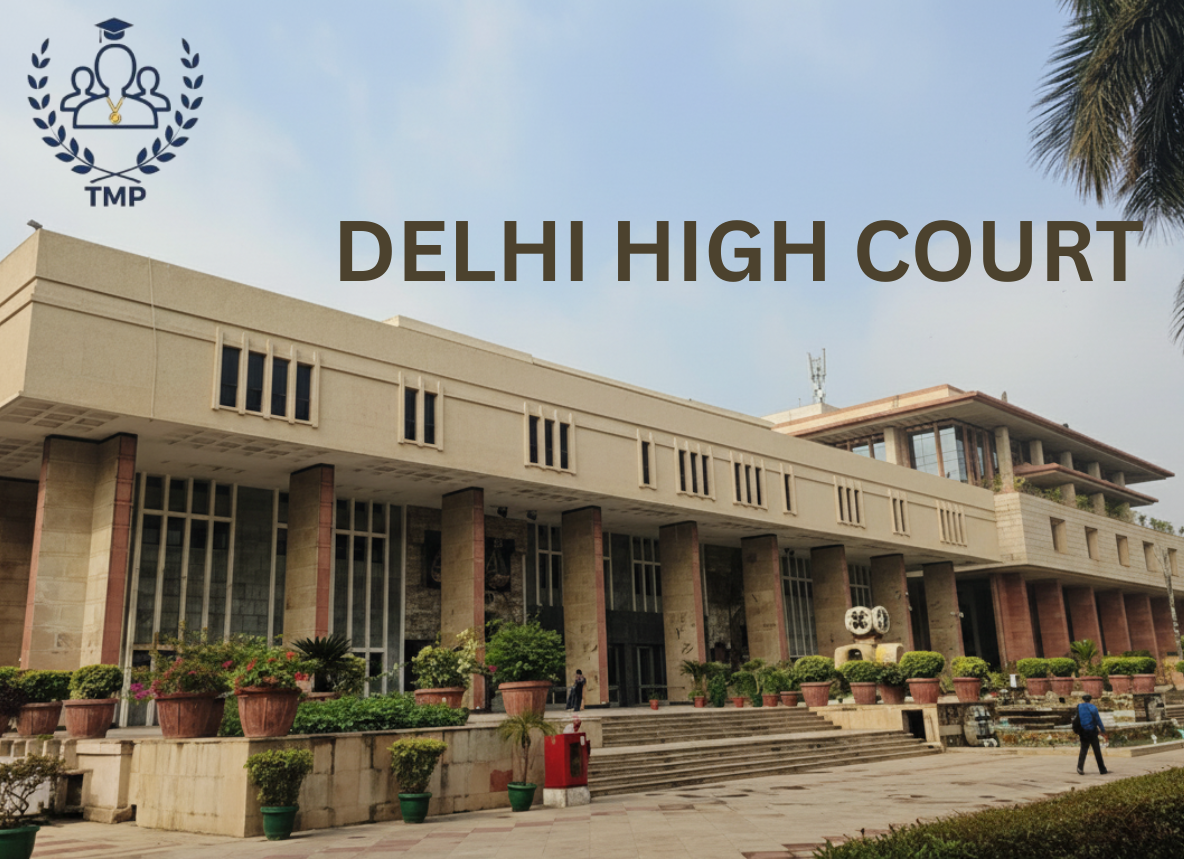
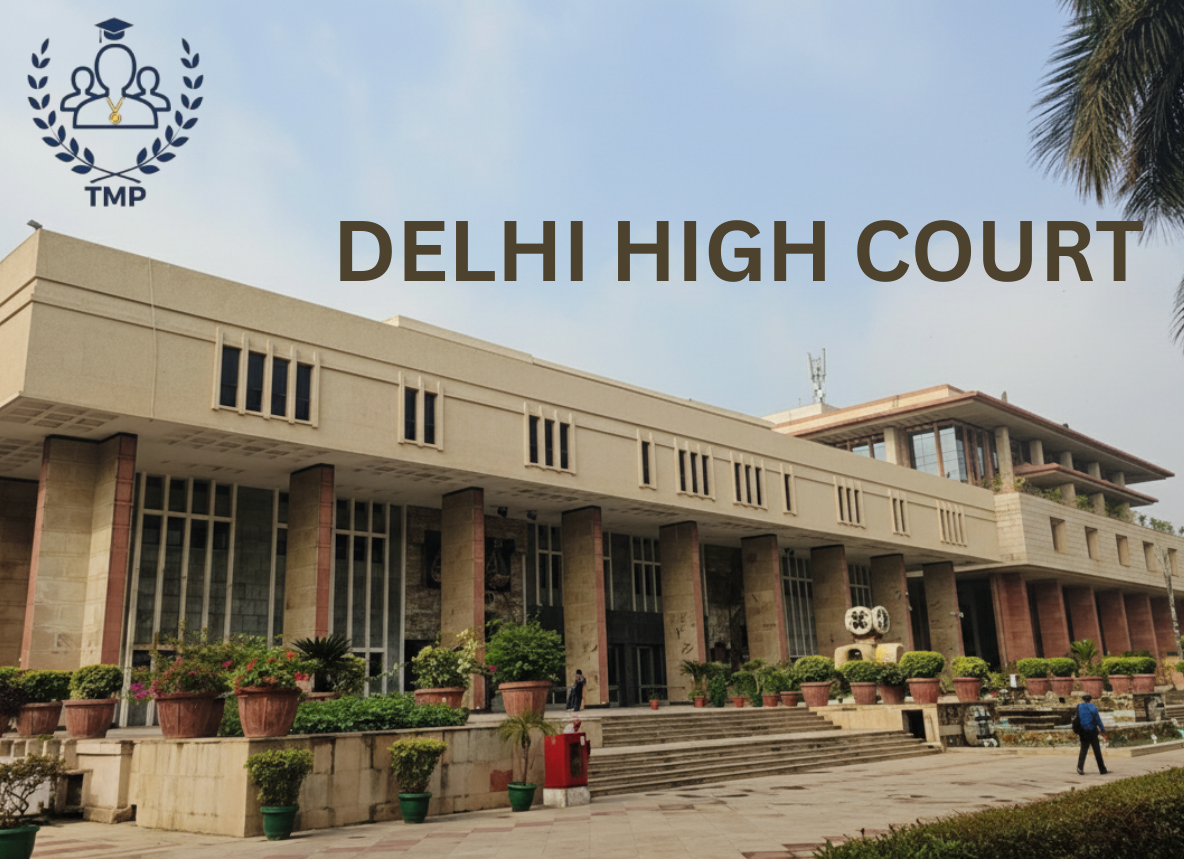
Delhi High Court Holds Private Media Houses Accountable Under Article 226; Upholds Privacy Rights of Sexual Assault Victims
In TV Today Network Limited v. ABC & Ors., the Delhi High Court examined whether a writ petition under Article 226 of the Constitution can be maintained against a private media organisation for violating the fundamental right to privacy of a sexual assault victim, and whether constitutional compensation can be granted against such a private entity. The dispute arose after TV Today Network broadcasted a news report concerning the alleged sexual assault of a minor by her father, where the telecast revealed several identifying details including the accused’s identity, official position, residential locality, and related information that allegedly made the victim identifiable. The victim’s mother approached the Court alleging violation of the victim’s dignity and privacy under Article 21, breach of Section 228A IPC, and violation of journalistic standards.
The Division Bench analysed the scope of writ jurisdiction against private bodies and reaffirmed that Article 226 has a broader reach than Article 32. Relying on Supreme Court precedents including Andi Mukta Sadguru, Federal Bank Ltd. v. Sagar Thomas, Zee Telefilms Ltd. v. Union of India, and Binny Ltd. v. V. Sadasivan, the Court held that the decisive factor is not merely whether an entity is private, but whether the nature of its function involves a public duty or constitutional obligation. Since news broadcasting directly influences public discourse and carries significant social responsibility, media organisations cannot claim complete immunity from constitutional scrutiny.
The Court held that the broadcast disclosed sufficient information capable of revealing the victim’s identity, defeating the purpose of statutory protection granted to sexual assault survivors. It observed that freedom of speech and press cannot override the constitutional guarantee of privacy, dignity, and protection of victims. The availability of an ordinary civil remedy was also held not to prevent constitutional courts from granting compensation where enforcement of fundamental rights is involved. Accordingly, the Delhi High Court dismissed the appeal, upheld the maintainability of the writ petition against the private broadcaster, and sustained the award of constitutional compensation granted by the Single Judge. The ruling reinforces that media freedom carries a corresponding obligation to protect individual dignity and privacy.
Legal Issue
Whether a writ petition under Article 226 is maintainable against a private media house for alleged violation of the fundamental right to privacy of a sexual assault victim, and whether constitutional compensation can be awarded in such proceedings.
Brief Facts
The victim, a minor, alleged sexual assault by her father. Although an interview recorded by another television channel with the victim's mother was never telecast, TV Today Network aired a news report revealing the identity of the accused, his official position, the locality of residence, and other particulars which allegedly made the victim identifiable. The victim's mother filed a writ petition alleging violation of the victim's right to privacy under Article 21, Section 228A IPC and the Press Council of India's Norms of Journalistic Conduct. The learned Single Judge held the broadcaster liable and awarded constitutional compensation, which was challenged before the Division Bench.
Court's Reasoning
The Court first considered whether a private media organisation could be subjected to writ jurisdiction under Article 226. Relying on the Supreme Court's decisions in Andi Mukta Sadguru, Federal Bank Ltd. v. Sagar Thomas, Zee Telefilms Ltd. v. Union of India, Binny Ltd. v. V. Sadasivan, and Ramakrishna Mission v. Kago Kunya, it reiterated that Article 226 is wider in scope than Article 32 and extends to private bodies where enforcement of a statutory duty, constitutional obligation, or public law duty is sought. The Court emphasised that the determining factor is the nature of the function performed, rather than the private character of the entity itself.
Applying these principles, the Court held that news broadcasting is not a purely private commercial activity. By disseminating information to the public, media organisations perform a function carrying significant public responsibilities and are bound to respect constitutional and statutory limitations governing their reportage. Consequently, where a broadcaster's actions are alleged to infringe fundamental rights, particularly the right to privacy of a victim of a sexual offence, the broadcaster may be subjected to the writ jurisdiction of the High Court notwithstanding its status as a private entity.
On the merits, the Court found that the appellant's telecast disclosed sufficient identifying particulars to reveal the victim's identity, thereby defeating the object of Section 228A IPC, violating the Press Council's Norms of Journalistic Conduct, and infringing the victim's right to dignity and privacy under Article 21. It further held that the availability of a civil remedy did not preclude the grant of constitutional compensation, as the proceedings sought enforcement of a fundamental right through a public law remedy.
Judgment
The Delhi High Court dismissed the appeal, affirmed the maintainability of the writ petition against the private broadcaster, and upheld the finding that the telecast violated the victim's constitutional right to privacy. The award of constitutional compensation granted by the learned Single Judge was also sustained.
Legal Significance
The judgment clarifies that private media organisations are not immune from writ jurisdiction merely because they are non-State actors. It reaffirms that where a media house performs a public function and its actions are alleged to violate constitutional or statutory obligations, particularly the fundamental rights of individuals, the High Court may exercise its jurisdiction under Article 226. The decision also reinforces that the media's freedom of speech carries a corresponding duty to protect the privacy and dignity of victims of sexual offences, and that constitutional compensation may be awarded as a public law remedy for such violations.
Access the Official Judgement here
Case Title
TV Today Network Limited v. ABC & Ors.
Case Number
LPA 264/2013
Court
High Court of Delhi
Bench
Justice C. Hari Shankar and Justice Om Prakash Shukla
Date of Judgment
1 July 2026