September 18 , 2026
National Skill Development Corporation v. Surya Wires Private Limited & Ors.: Supreme Court Clarifies Incorporation of Arbitration Clauses in Composite Transactions
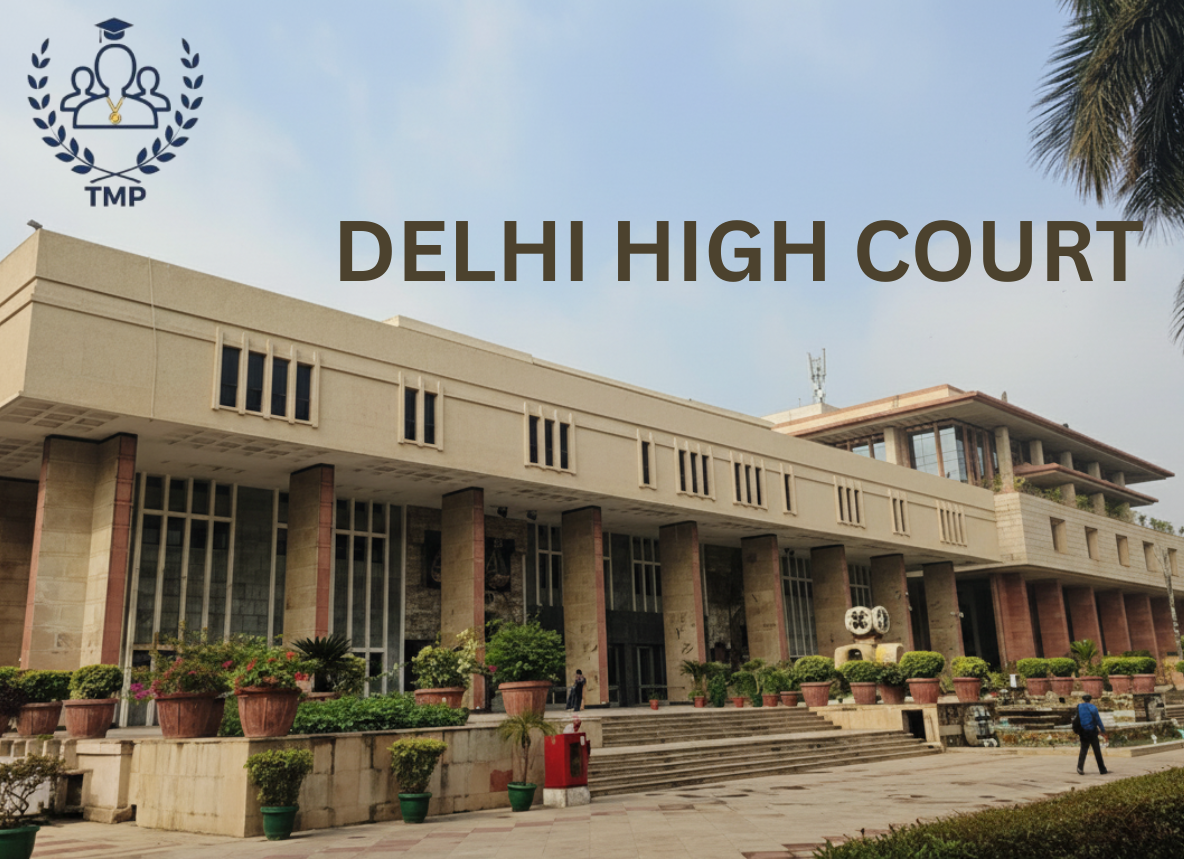
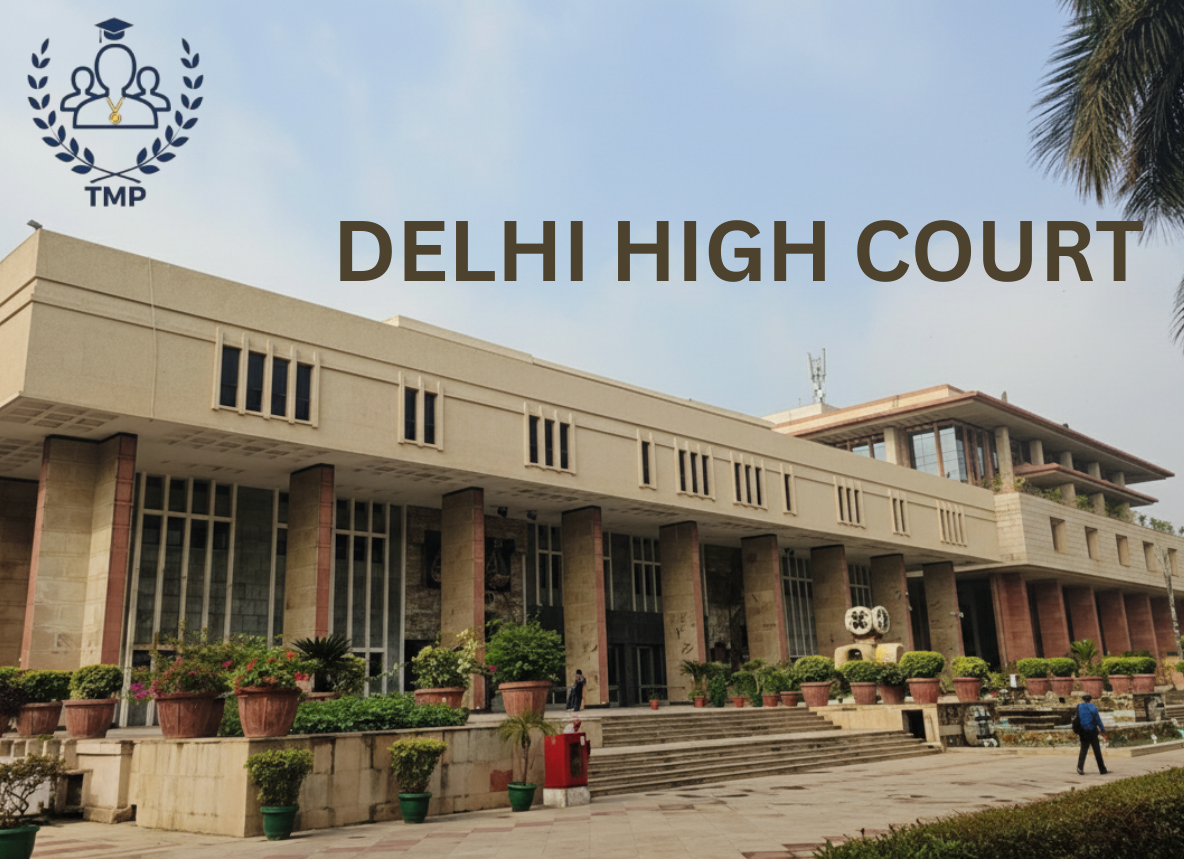
In National Skill Development Corporation v. Surya Wires Private Limited & Ors., the Supreme Court examined whether an arbitration clause contained in a Loan Agreement could bind a non-signatory in his personal capacity where his Personal Guarantee did not itself contain an arbitration clause but was expressly integrated with the Loan Agreement. The dispute centred on the scope of Section 7(5) of the Arbitration and Conciliation Act, 1996, concerning incorporation of an arbitration agreement by reference. The appellant, National Skill Development Corporation (NSDC), had disbursed loans to a company and a society for establishing Model Training Centres under a government skill-development scheme. The financing arrangement consisted of interconnected agreements, including Loan Agreements and Facility Agreements. The company's Managing Director executed Personal Guarantees in his individual capacity. Following defaults, NSDC invoked arbitration against all respondents, including the Managing Director. He challenged the tribunal's jurisdiction under Section 16, contending that he had not signed the Loan Agreements containing the arbitration clause in his personal capacity and that his Personal Guarantees contained no separate arbitration clause. The Sole Arbitrator accepted the objection, and the Delhi High Court affirmed the decision.
Legal Issue
Where parties structure a single transaction through several interconnected instruments, whether an arbitration clause contained in one instrument (the Loan Agreement) can bind a non-signatory-in-personal-capacity party through another instrument (a Personal Guarantee) that is expressly integrated with the former but does not itself contain an arbitration clause — i.e., whether such incorporation satisfies Section 7(5) of the Arbitration and Conciliation Act, 1996.
Brief Facts
The appellant, National Skill Development Corporation (NSDC), disbursed loans to respondent no. 1 (a company) and respondent no. 4 (a society) for jointly establishing Model Training Centres under a government skill-development scheme, pursuant to a cluster of contemporaneous agreements executed on 20.12.2016 and again on 18.08.2017 - comprising a Loan Agreement and several "Facility Agreements" (including a Personal Guarantee executed by respondent no. 2, the Company's Managing Director, in his personal capacity). Following defaults, NSDC invoked arbitration against all respondents, including respondent no. 2 under his Personal Guarantees. Respondent no. 2 challenged the Arbitral Tribunal's jurisdiction under Section 16 of the 1996 Act on the ground that he was not a signatory to the Loan Agreements (which alone contained the arbitration clause) in his personal capacity, only having signed the Personal Guarantees, which contained no arbitration clause of their own. The Sole Arbitrator allowed the Section 16 application and deleted him from the array of parties; the Delhi High Court, in a Section 37(2)(a) appeal, affirmed this, holding that mere commercial linkage or proximity between instruments does not import an arbitration clause absent conscious, specific incorporation, and that NSDC had not shown respondent no. 2 to be the Company's "alter ego" or that the corporate form was used to work fraud.
Court's Reasoning
The Court applied the settled test under Section 7(5) of the 1996 Act as summarised in M.R. Engineers and Contractors Pvt. Ltd. v. Som Datt Builders Ltd. [(2009) 7 SCC 696] - that an arbitration clause in another document is incorporated by reference only where the referencing contract contains a clear reference to the arbitration-bearing document, the reference clearly indicates an intention to incorporate the arbitration clause specifically (not merely the referred document's substantive terms), and the clause is apt to apply to the dispute — and as reiterated in Inox Wind Ltd. v. Thermocables Ltd. [(2018) 2 SCC 519], distinguishing general references (insufficient) from standard-form references (sufficient). The Court also drew on the Constitution Bench ruling in Cox and Kings Ltd. v. SAP India Pvt. Ltd. [(2024) 4 SCC 1], which held that Section 7's "parties" include non-signatories bound through consent inferable from conduct and the composite nature of multi-agreement transactions, and on Ajay Madhusudan Patel v. Jyotrindra S. Patel [(2025) 2 SCC 147] and ASF Buildtech (P) Ltd. v. Shapoorji Pallonji and Co. (P) Ltd. [(2025) 9 SCC 76], which emphasised that arbitration's mechanisms must flexibly accommodate multi-party, multi-contract commercial arrangements without diluting consent.
Applying this framework, the Court undertook a textual analysis of the Loan Agreements' definition clauses (Article I, Clause 1.1(b), (l), (u)), the "Interpretation" clause giving the Loan Agreement primacy over inconsistent Facility Documents, Clause 12.1 (Miscellaneous) deeming Facility Agreements to be part of the Loan Agreement "as if the provisions thereof were set out herein in extension," and Schedule IV expressly listing "Personal Guarantee(s)" among the Facility Agreements, together with Schedule I making execution of Facility Agreements a mandatory pre-disbursement condition. The Court held that this cluster of provisions created a deeming fiction that wove the Personal Guarantees into the same legal and arbitral framework as the Loan Agreement, distinguishing this from a mere general reference (which under M.R. Engineers would not suffice) — the intention to incorporate being "explicit, rather than a matter of inference." The Court further reasoned that respondent no. 2's non-signature to the Loan Agreement in his personal capacity was not decisive, given the commercial reality that personal guarantees of individuals controlling thinly-capitalised training-partner entities were the real assurance of recovery, executed contemporaneously as a condition precedent to disbursement.
Judgment
The appeal was allowed. The Delhi High Court's judgment dated 28.01.2026 and the Sole Arbitrator's order dated 23.10.2024, insofar as they allowed the Section 16 application deleting respondent no. 2 from the arbitral proceedings, were quashed and set aside; respondent no. 2 was held bound to arbitrate. No order as to costs.
Legal Significance
The judgment refines the Section 7(5) incorporation-by-reference doctrine for composite, multi-instrument commercial transactions, holding that where definitional and "deemed to be part of" clauses in a principal agreement expressly and specifically fold ancillary instruments (such as personal guarantees) into its framework, as opposed to a bare general reference, the arbitration clause in the principal agreement extends to bind guarantors under the ancillary instrument, even without their personal signature on the arbitration-bearing document itself. It illustrates the post-Cox and Kings approach of assessing non-signatory liability through the commercial and textual architecture of a composite transaction rather than requiring proof of alter-ego or fraud.
Link to Official Judgment here
Case Title
National Skill Development Corporation v. Surya Wires Private Limited & Ors.
Case Number
Civil Appeal (@ S.L.P. (C) No. 10030 of 2026)
Citation
2026 INSC 977
Court
Supreme Court of India, Civil Appellate Jurisdiction
Bench
Pamidighantam Sri Narasimha, J. and Alok Aradhe, J. (authored by Alok Aradhe, J.)
Date of Judgment
8 September 2026