
August 20 , 2026
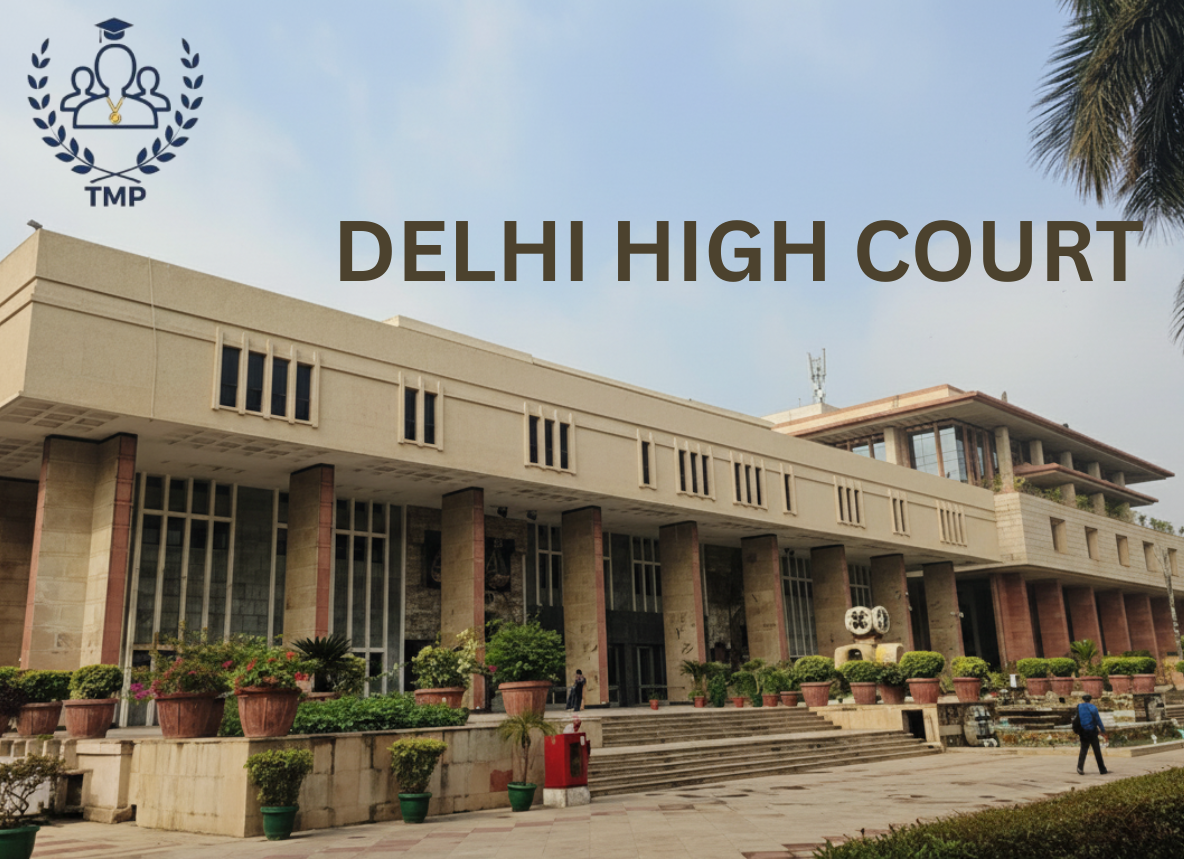
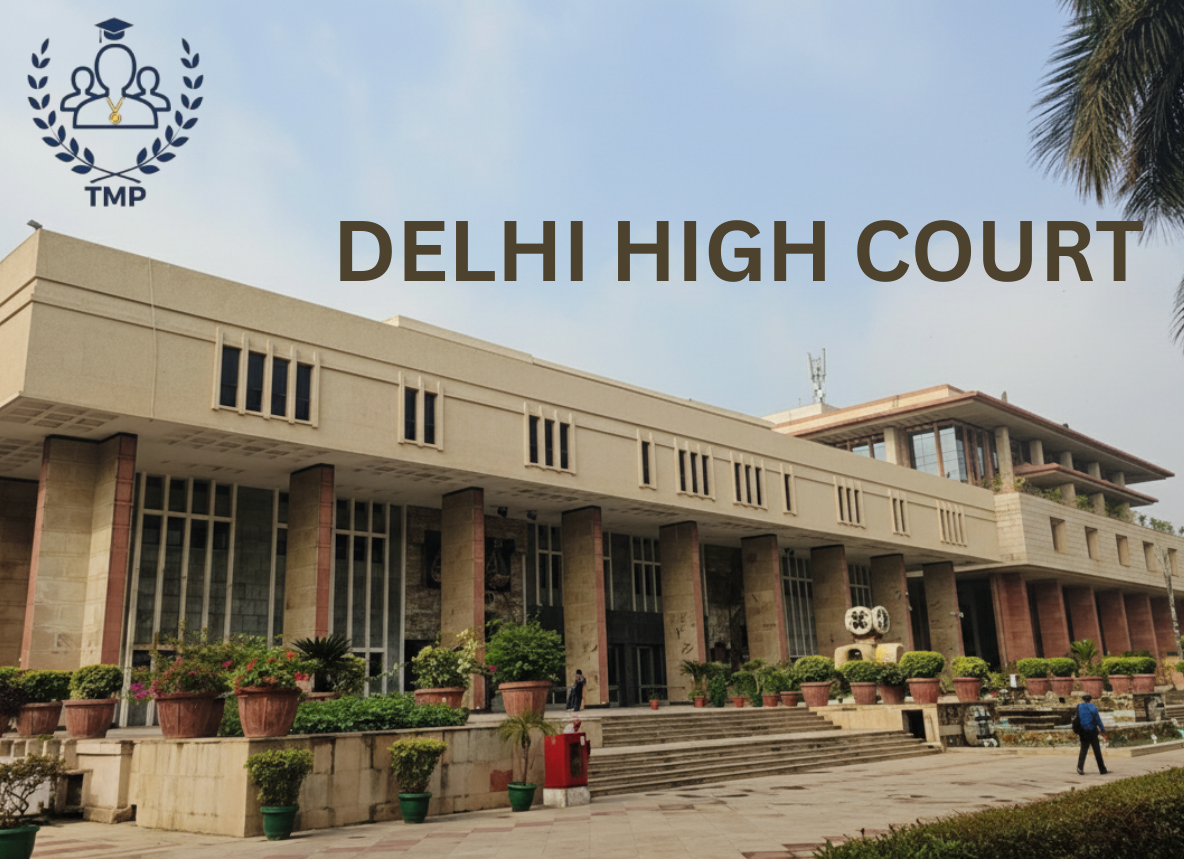
Delhi High Court Protects SBI’s Security Interest Pending Arbitration in Competing Mortgage Claims
Legal Issue
Whether the Delhi High Court, in a petition under Section 9 of the Arbitration and Conciliation Act, 1996 read with Section 11 of the SARFAESI Act, could continue interim protection restraining Bank of Maharashtra from taking possession of or auctioning a mortgaged property where State Bank of India and Bank of Maharashtra asserted competing security interests over the same property.
Brief Facts
State Bank of India sanctioned a Cash Credit Facility of ?4.5 crore to Respondent No. 2 on 19 September 2023. In connection with the facility, Respondent Nos. 2 to 4 executed the relevant loan and guarantee documents, and property bearing No. 63, Block A, Sector-8, Dwarka, New Delhi was stated to have been mortgaged in SBI’s favour. Following repayment defaults, the account was classified as a Non-Performing Asset on 29 May 2025, pursuant to which SBI initiated proceedings under the SARFAESI Act and filed an original application before DRT-I, New Delhi.
SBI subsequently discovered that Bank of Maharashtra was also asserting a security interest over the same property and had issued an auction notice. SBI therefore invoked Section 11 of the SARFAESI Act and approached the Delhi High Court under Section 9 of the Arbitration and Conciliation Act, seeking protection against possession, alienation and auction of the property pending adjudication of the competing claims.
Court’s Reasoning
The Court relied upon its earlier interim order dated 23 December 2025, in which it had noted that SBI had advanced approximately ?4.5 crore and that approximately ?5 crore was then due and payable by Respondent Nos. 2 to 4. Significantly, SBI asserted that the original title deeds relating to the property were in its possession, notwithstanding Bank of Maharashtra’s competing claim over the same property.
At the interim stage, the Court had found that permitting the auction to proceed could leave SBI remediless because the property claimed to be mortgaged in its favour would be auctioned before the parties’ respective rights were adjudicated. It consequently held that the balance of convenience lay in SBI’s favour and that failure to grant interim protection could result in irreparable loss. Bank of Maharashtra was therefore restrained from taking possession of or auctioning the Dwarka property.
In the final order, the Court emphasised the objective of expeditious disposal of commercial matters and made the interim restraint absolute. Importantly, however, the protection was made conditional upon SBI commencing arbitration under Section 11 of the SARFAESI Act within three weeks. The Court further provided that, once the Arbitral Tribunal was constituted, the parties would be at liberty to seek interim relief under Section 17 of the Arbitration and Conciliation Act. The High Court’s protection would continue until the Tribunal considered the prayer for interim relief.
Judgment
The Delhi High Court made absolute its earlier interim order restraining Bank of Maharashtra from taking possession of or auctioning the property at No. 63, Block A, Sector-8, Dwarka, New Delhi. The protection was expressly made subject to SBI invoking or commencing arbitral proceedings under Section 11 of the SARFAESI Act within three weeks. Upon constitution of the Arbitral Tribunal, the parties were granted liberty to approach it under Section 17 of the Arbitration and Conciliation Act, with the High Court’s interim protection continuing until the Tribunal considered the request for interim relief. The petition and pending applications were accordingly disposed of.
Legal Significance
The decision illustrates the role of Section 9 of the Arbitration and Conciliation Act in preserving the subject matter of a dispute involving competing security interests between banks pending commencement of arbitration contemplated under Section 11 of the SARFAESI Act. Rather than adjudicating which bank possessed the superior security interest, the Court preserved the property against possession and auction so that the competing rights could be determined through arbitration. The order also demonstrates the transitional character of Section 9 protection: SBI was required to commence arbitration within three weeks, following which the parties could seek interim measures from the constituted Tribunal under Section 17, while the High Court’s protection remained operative until the Tribunal considered such relief.
Access the official notification here
Case:
State Bank of India v. Bank of Maharashtra & Ors.
Court:
Delhi High Court
Date:
12th July 2026.
Judges:
HON'BLE MR. JUSTICE OM PRAKASH SHUKLA